Develop the skills behind
intercultural collaboration and leadership
Strong collaboration starts with the ability to understand cultural differences.
Whether they stem from origin, gender, generation, professional background or personal experience, they shape how you communicate, build trust and work together.
Our training programmes help leaders and teams develop the intercultural skills needed to collaborate effectively across cultures, perspectives and ways of working.
Strong collaboration requires intercultural skills
Cultural differences influence how people communicate, build trust, make decisions and work together.
Effective intercultural collaboration therefore requires more than awareness alone. It requires the ability to recognise relevant differences, understand their impact and respond appropriately in real-world situations.
From meetings and decision making to feedback conversations, conflict management and leadership, intercultural skills help people collaborate more effectively across differences .
Core intercultural skills
What people learn to do
- Navigating unfamiliar and uncomfortable situations
- Understanding situations from multiple perspectives
- Recognising and managing assumptions and expectations
- Expressing thoughts and concerns constructively
- Building relationships across differences
- Building and maintaining trust
- Communicating effectively across cultures
- Influencing and persuading across perspectives
Where this makes a difference
Key application areas
- Meetings
- Decision making
- Feedback conversations
- Conflict management
- Knowledge and information sharing
- Problem solving en innovation
- Hiring and promotion
- Leadership and coaching
The intercultural skills journey
Developing intercultural competence is a process.
Our training programmes build on each other and help professionals move from recognising and understanding differences to navigating and leveraging them effectively in practice .

Cultural Awareness Training
Recognise and interpret cultural differences
Develop the ability to recognise cultural differences, understand their impact andrespond thoughtfully in unfamiliar situations.
Learn more about our Cultural Awareness training programme →
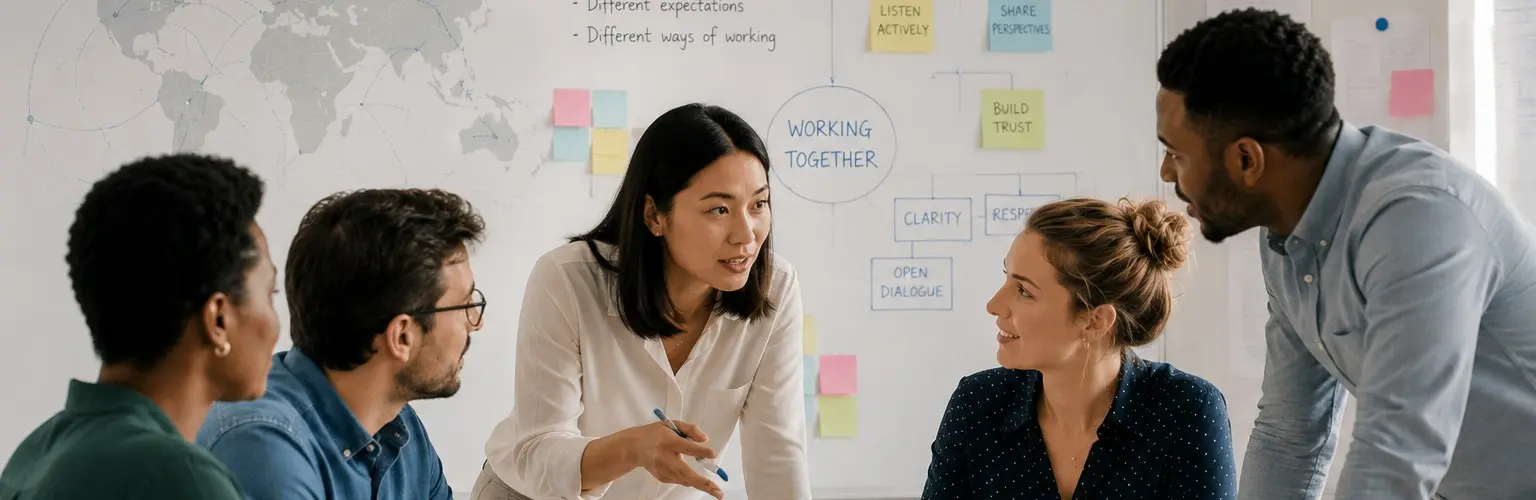
Intercultural Collaboration Training
Navigate differences effectively in everyday collaboration
Develop the skills needed for effective intercultural communication and collaboration across cultures, perspectives and ways of working.
Learn more about Intercultural Collaboration training programme →
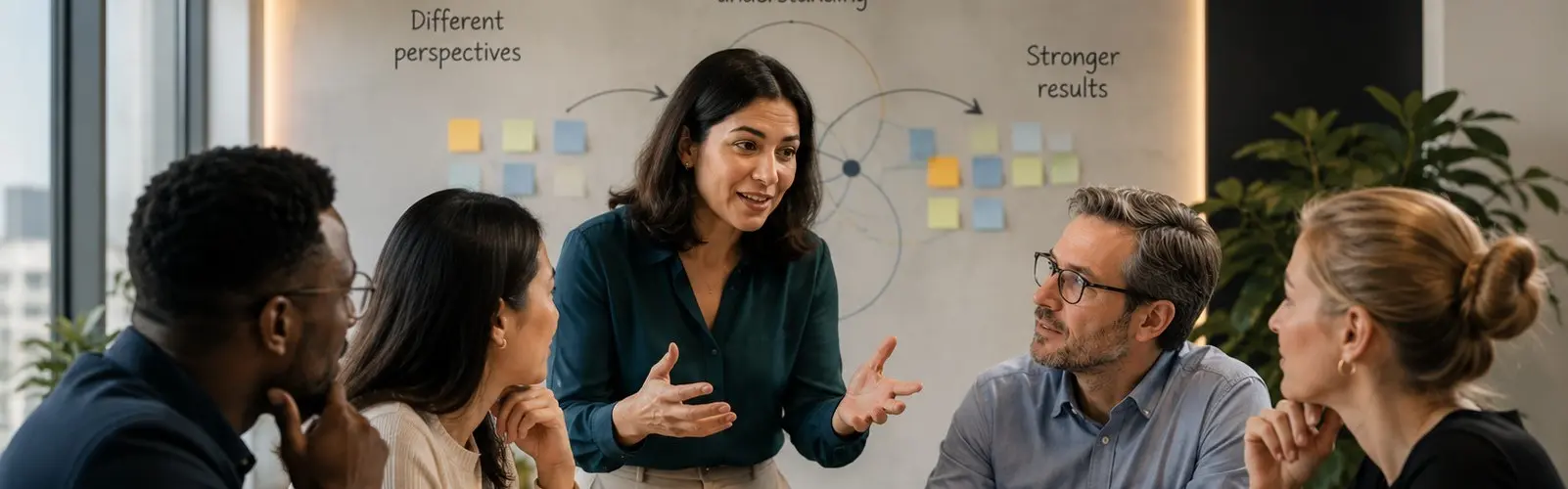
Intercultural Leadership Training
Leverage intercultural differences
Learn how to build trust, create psychological safety and turn diverse perspectives into stronger team performance.
Learn more about our Intercultural Leadership training programme →
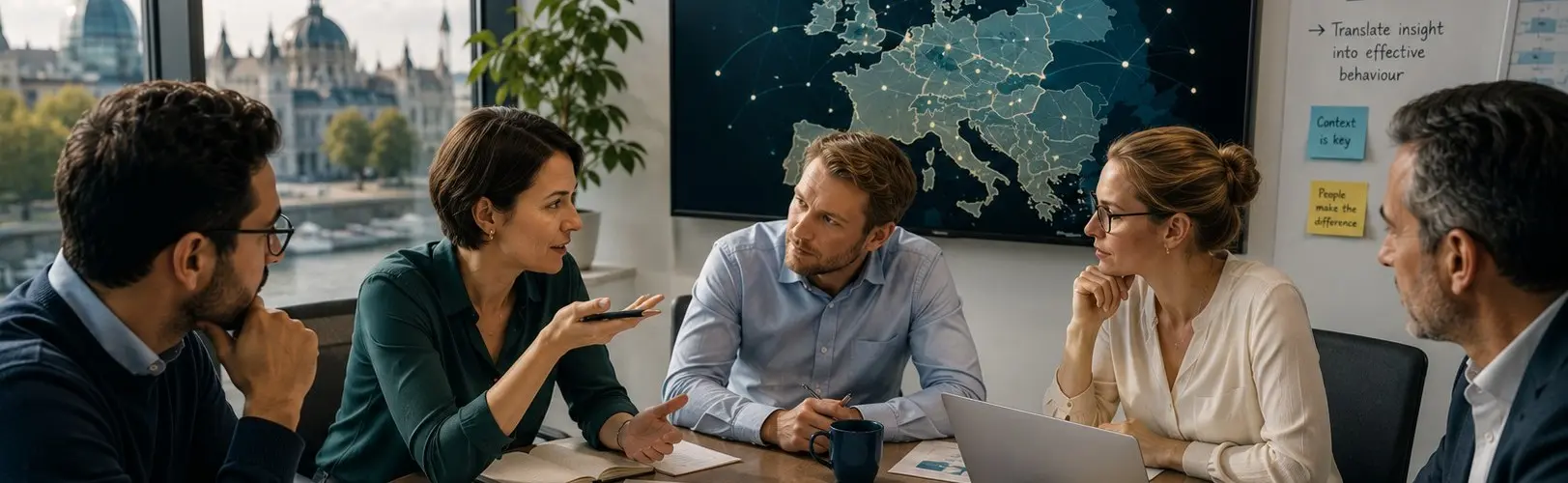
Country & Region Specifics Training
Apply intercultural skills in specific cultural contexts
Gain practical insights into specific countries, regions and cultural combinations,and learn how to apply intercultural communication and skills in a particular context.
Learn more about our Country & Region Specifics training programme →
How intercultural skills are developed
Intercultural communication and competence is not developed through knowledge transfer alone. People
develop intercultural skills by reflecting on experiences, exploring different
perspectives, practising new behaviors and applying what they learn in
real-life situations.
That is why our training programmes combine expert guidance, reflection, interaction and practical application.
Experience
Participants work with realistic situations, cases and challenges drawn from their own professional environment.
By connecting learning directly to everyday practice, new insights become immediately relevant and applicable.
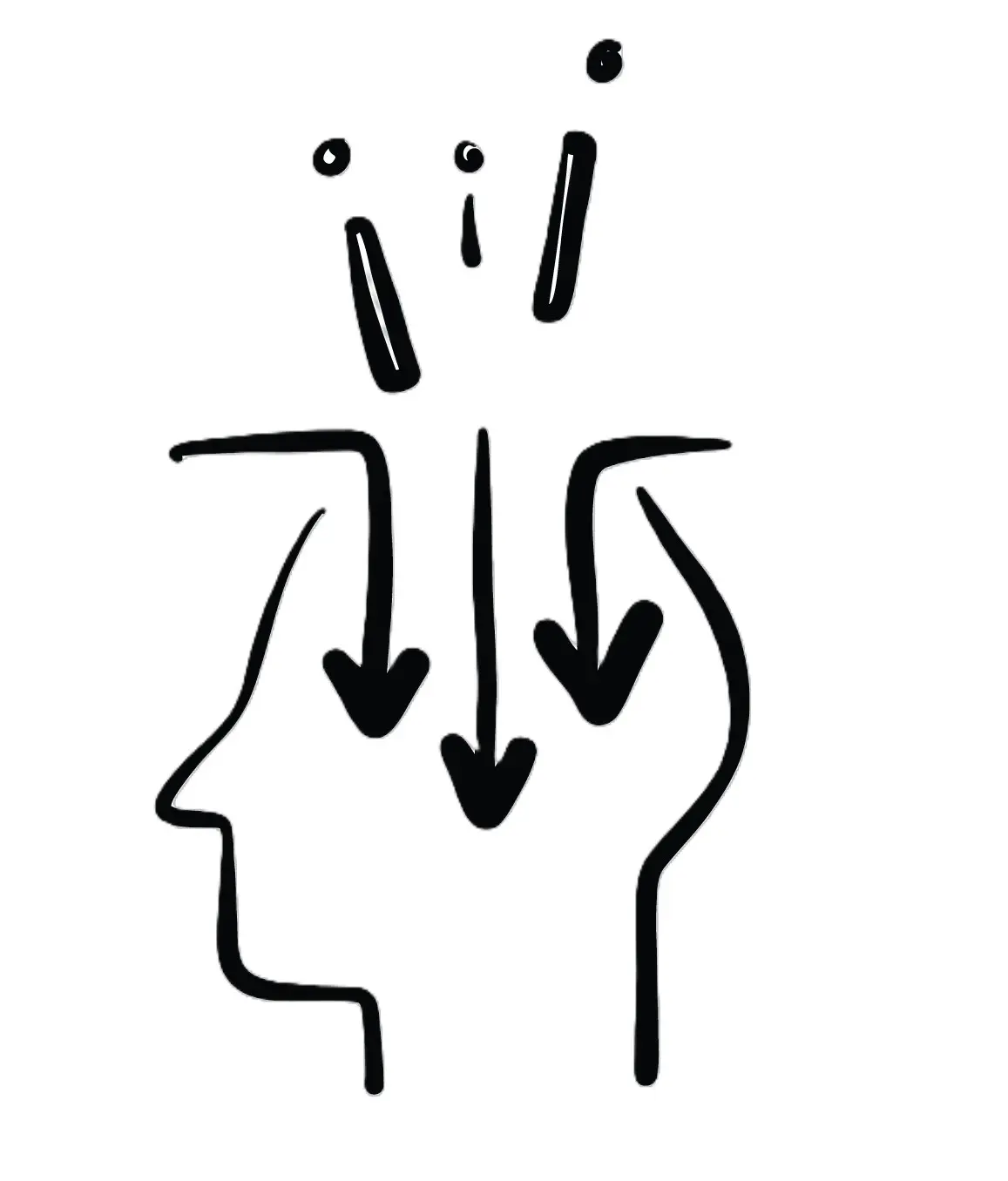
Reflection
Developing intercultural competence starts with understanding how assumptions, values and experiences influence the way people interpret situations and respond to others.
Through guided reflection, participants learn to recognise patterns, challenge assumptions and become more aware of alternative perspectives.

Practice
Intercultural skills develop through active participation.
Participants experiment with new approaches, practise challenging conversations and receive feedback in a supportive learning environment.
This helps transform awareness into observable behavior.

Application
Learning only creates value when it can be applied in practice.
Participants leave with concrete insights, behaviours and tools that can be used immediately in meetings, feedback conversations, decision-making processes and day-to-day collaboration
Why this approach works
Because intercultural competence is not simply something people know. It is something they do.
By combining experience, reflection, practice and application, participants develop skills that remain relevant long after the training has ended.
Learning formats that fit your context
Different learning goals require different formats.
Our programmes can be delivered as short introductions, interactive workshops or comprehensive skills-based training programmes.

Introduction
→ Build awareness and start the conversation
🕒 1–2 hours
Ideal for:
- Inspiration
- Awareness
- Kick-offs
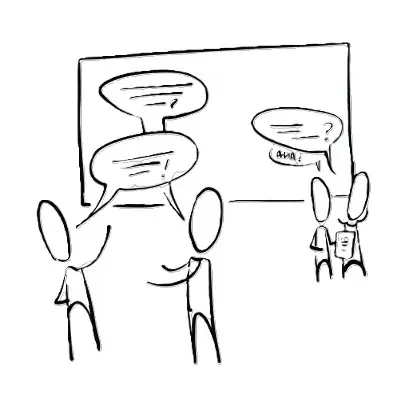
Workshop
→ Develop practical skills for everyday collaboration
🕒 4–8 hours
Ideal for:
- Team development
- Communication
- Collaboration
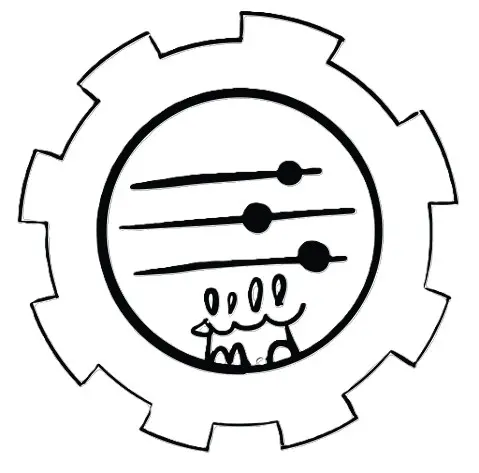
Training programme
→ Create lasting behavioral change
🕒 10–12 hours
Ideal for:
- Leadership development
- International teams
- Long-term impact
Not sure which format is right for your team?
Every programme can be tailored to the specific context, objectives and learning needs of your organisation.
From request to impact
1
Explore
We start by exploring your goals, challenges and learning objectives.
2
Design
Together we determine the most relevant themes, cases and activities.
3
Deliver
We facilitate an engaging learning experience tailored to your organisation.
4
Apply
Participants translate insights into practical actions and behaviors. Only for Workshop and Training formats.
5
Follow-up
Supporting the transfer of learning into everyday practice. Follow-up session is optional.
6
Reflect & Evaluate
Together we reflect on outcomes, impact and next steps.
Let's discuss your learning goals and explore the most suitable format.
Let's explore your learning goals
Whether you are looking to strengthen intercultural collaboration, develop intercultural leadership skills or prepare teams for international cooperation, we would be happy to explore how we can help.
Every organisation is different. That is why we start by understanding your context, ambitions and challenges.
Intercultural skills in practice
Discover how organisations use intercultural skills to strengthen collaboration, leadership and team performance.