Intercultural Collaboration
starts with
navigating cultural differences
Understanding
differences is the first step. Working effectively across them is the next.
Intercultural Collaboration helps professionals communicate effectively, build trust and collaborate successfully across cultures, perspectives and ways of working.
Collaboration
succeeds when people know how to navigate differences
Cultural
differences become visible in everyday interactions—during meetings, feedback
conversations, decision making, teamwork and problem solving.
Without the skills to navigate these differences, misunderstandings can grow, trust can weaken and collaboration becomes less effective.
With Intercultural Collaboration, professionals learn to recognise different expectations, communicate more effectively and build stronger working relationships across cultures.
Instead
of avoiding differences, they learn how to use them as a foundation for better
collaboration and stronger results.
These skills help professionals to:
-
Build
stronger working relationships across cultures
-
Communicate
more effectively in international teams
-
Reduce
misunderstandings and unnecessary friction
-
Collaborate
more effectively during meetings, projects and daily teamwork
- Strengthen problem solving and innovation by integrating different perspectives
-
Create
an environment where trust and psychological safety can grow
Participants develop the ability to:
-
Navigate
cultural differences with confidence
-
Communicate
effectively across cultures
- Understand situations from different perspectives
-
Adapt
their communication to different cultural contexts
- Handle misunderstandings constructively
-
Adapt
to different communication and working styles
How intercultural collaboration skills are developed
Lasting collaboration skills are developed through experience, reflection, practice and application.
That
is why this programme combines realistic workplace situations, guided
reflection, interactive exercises and direct application to participants' own
professional context.
Choose the learning format that fits your organisation
Some
organisations want to strengthen collaboration within an international team.
Others want to strengthen collaboration across departments, countries or project teams.
We offer different learning formats to match your objectives, audience and available time.

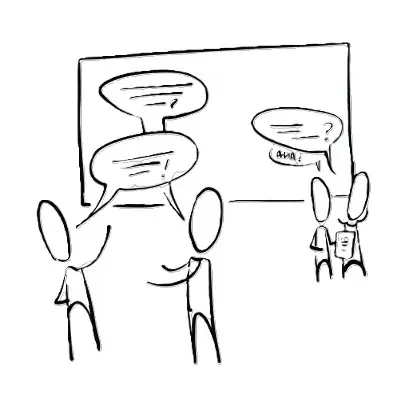
Introduction
→ Build awareness and start the conversation
🕒 1–2 hours
Introduce
participants to the impact of cultural differences on communication and
collaboration.
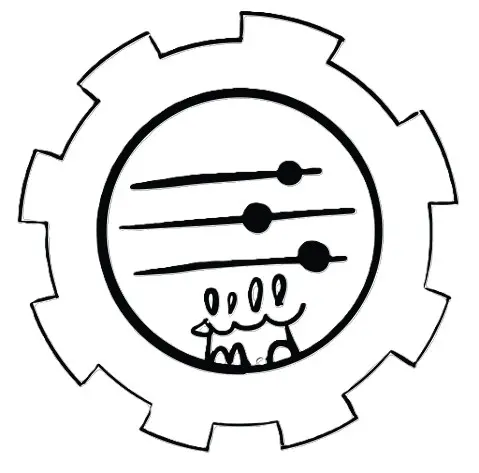
Workshop
→ Explore and practise intercultural collaboration skills
🕒 4–8 hours
Work with realistic cases, exchange perspectives and practise strategies for navigating differences in everyday situations.
Training programme
→ Develop lasting intercultural collaboration skills
🕒 10–12 hours
Build practical intercultural collaboration skills through a structured learning journey based on experience, reflection, practice and application.
Not sure which format is right for your team?
Together we explore your context, learning goals and organisational needs to determine the most suitable approach.
When intercultural collaboration makes the biggest difference
International
teams work across countries and cultures
Different communication styles, expectations and ways of working influence everyday collaboration.
Projects
require close international cooperation
Successful collaboration depends on aligning different perspectives and working styles .
Teams
experience recurring misunderstandings
People have good intentions, yet communication still leads to confusion or unnecessary friction.
Innovation
depends on combining different perspectives
Better collaboration enables teams to turn diverse viewpoints into stronger ideas, better decisions and more innovative solutions.
Your
organisation wants to strengthen collaboration across differences
Developing Intercultural Collaboration skills helps teams build stronger relationships, work more effectively together and achieve better results.
How we work together
1
Explore
We start by exploring your goals, challenges and learning objectives.
2
Design
Together we determine the most relevant themes, cases and activities.
3
Deliver
We facilitate an engaging learning experience tailored to your organisation.
4
Apply
Participants translate insights into practical actions and behaviors. Only for Workshop and Training formats.
5
Follow-up
Supporting the transfer of learning into everyday practice. Follow-up session is optional.
6
Reflect & Evaluate
Together we reflect on outcomes, impact and next steps.
Let's discuss your learning goals and explore the most suitable format.
Let's explore how your teams can collaborate more effectively across differences
Every organisation has its own context, ambitions and challenges.
Together, we'll explore your learning objectives and determine which approach best supports your people and organisation.
Intercultural collaboration skills in practice
Discover how organisations use intercultural skills to strengthen collaboration, leadership and team performance.